Introduction
In the ever-evolving landscape of health care, the focus on person treatment continues to grow. One area that has actually gained substantial attention is enteral nourishment, particularly through Percutaneous Endoscopic Gastrostomy (PEG) feeding. Transforming Client Care With Efficient PEG Feeding Techniques is not just a desire but a requirement in offering top quality look after people that require dietary assistance because of numerous clinical problems. This write-up delves deep right into the subtleties of PEG feeding, the training included for health care professionals, and how these methods can significantly boost patient outcomes.
What is PEG Feeding?
PEG feeding refers to an approach of delivering nourishment directly to the belly via a tube inserted by means of the stomach wall surface. This method is typically used when patients are incapable to eat food by mouth due to different reasons, such as neurological problems, cancers, or various other crippling conditions.
Why is PEG Feeding Necessary?
Nutritional Support: Many individuals face difficulties in swallowing or digesting food because of their clinical conditions. Quality of Life: Correct nourishment improves healing and boosts total top quality of life. Long-Term Solution: Unlike short-term feeding techniques, PEG tubes offer a lasting option for patients needing constant nutrition.The Relevance of Enteral Feeding Training
To ensure successful implementation of PEG feeding methods, healthcare experts should undertake specific training. Programs such as enteral feeding support courses and PEG training for nurses play a critical role in outfitting them with the needed skills.
Key Components of Enteral Feeding Training
- Understanding Anatomy and Physiology Tube Placement Techniques Nutrition Formulation Monitoring and Maintenance
Why Buy PEG Training Courses?
Investing in top quality training guarantees that healthcare providers are experienced at handling difficulties and making educated decisions regarding person care.
Types of PEG Feeding Training Available
1. PEG Training for Nurses
Nurses play a critical duty in person care, particularly when taking care of enteral feeding systems. Specialized programs aid them understand both academic understanding and useful abilities connected to PEG feeding.
2. PEG Training Programs for Support Workers
Support employees likewise gain from dedicated training programs that encourage them with appropriate understanding regarding taking care of patients on PEG feedings.
3. Enteral Feeding Support Course
These courses provide thorough insights into dietary requirements tailored to private client requirements.
Benefits of Reliable PEG Feeding Techniques
Effective application of PEG feeding strategies can result in numerous advantages:
Reduced Danger of Complications: Appropriate training decreases the possibilities of infections or tube dislodgement. Enhanced Nutritional Intake: Tailored nutrition plans can be established based on specific person needs. Improved Client Comfort: Clients experience much less discomfort when they get proper care throughout their feedings.Challenges in Implementing PEG Feeding Techniques
Despite its advantages, there are challenges connected with carrying out effective PEG feeding methods:
1. Patient Resistance
Some people may withstand becoming part of a PEG feeding program because of misconceptions about its purpose or prospective discomfort.
2. Technical Difficulties
Healthcare companies may run into technological troubles during tube insertion or upkeep, requiring recurring education and practice.
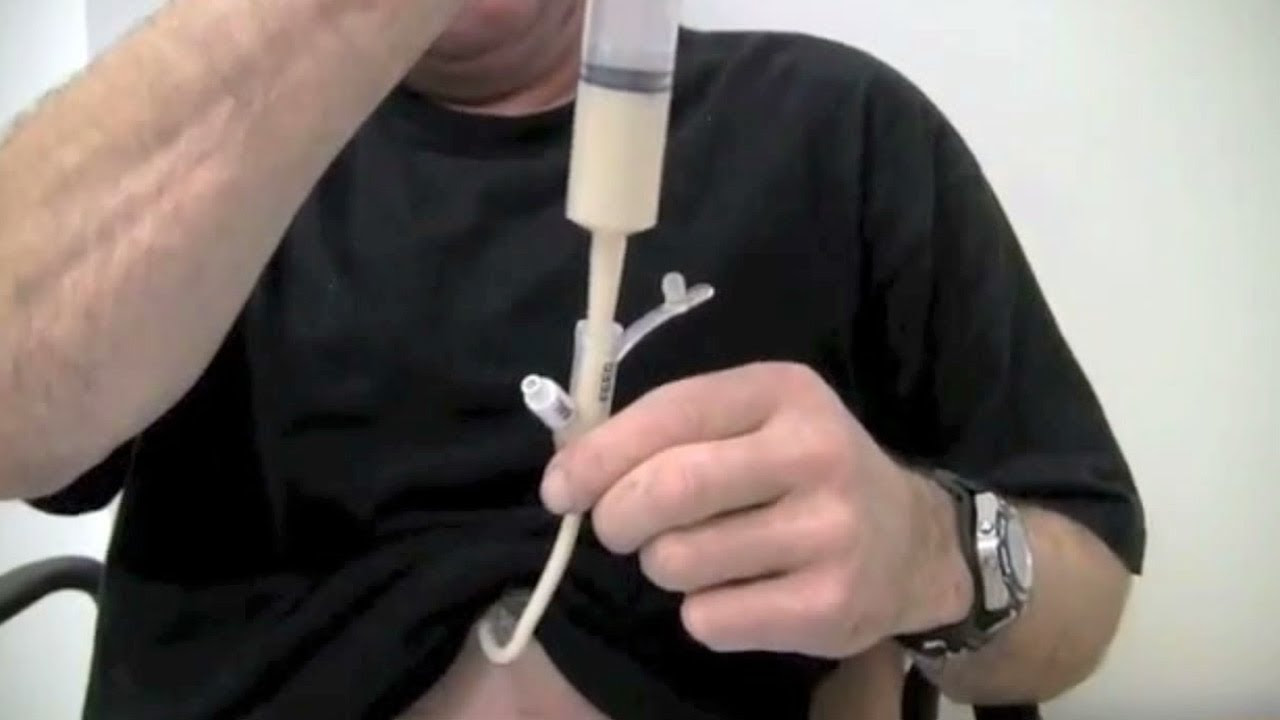
3. Monitoring Nutritional Intake
Ensuring that clients obtain adequate nutrition can be challenging without appropriate systems in position for keeping an eye on consumption effectively.
Best Practices for Successful PEG Feeding Implementation
To optimize individual outcomes via reliable PEG feeding techniques, think about these finest techniques:
1. Thorough Analysis Prior to Insertion
Conducting a detailed evaluation aids make certain that the decision for a PEG tube placement straightens with the client's needs.

2. Patient Education and learning and Involvement
Engaging clients and their households in discussions about PEG feeding can minimize worries and promote acceptance.
3. Regular Monitoring and Follow-Up Care
Ongoing assessments after tube insertion are necessary for making sure optimum feature and addressing any kind of arising concerns promptly.
Transforming Person Care Via Reliable PEG Feeding Techniques: Case Studies & Evidence-Based Practice
Numerous research studies have shown that executing robust enteral nutrition protocols considerably improves patient outcomes throughout numerous settings:
Case Study # 1: Neurological Disorders
Patients recovering from strokes have shown enhanced healing prices when obtaining correct dietary support via PEG tubes compared to traditional methods.
Case Research # 2: Cancer Patients
Cancer people undergoing radiation treatment frequently deal with preserving appropriate dietary intake; effective use enteral nutrition has shown advantages in weight management and therapy tolerance.
FAQ Section
Q1: What credentials do I require for NDIS peg feeding training?
A1: Typically, you must hold pertinent nursing or allied wellness qualifications in addition to experience dealing with enteral feeding systems before signing up in NDIS peg feeding training programs.
Q2: The length of time does it require to finish enteral feeding training?
A2: The majority of enteral feeding training courses differ from eventually workshops to numerous weeks relying on depth; nonetheless, lots of use versatile on the internet components too!
Q3: Can any individual do peg feedings?
A3: Only educated medical click here care experts need to carry out peg feedings; this includes registered nurses and assistance workers that have actually undertaken specific secure training courses.

Q4: What kinds of nutritional formulas are used in enteral feedings?
A4: Different solutions exist ranging from standard polymeric diets to customized ones created for details medical problems like diabetes mellitus or kidney failure.
Q5: Exists a danger associated with making use of a secure tube?
A5: Yes, threats consist of infection at the insertion site or issues like tube dislodgement; normal tracking can help mitigate these threats significantly!
Q6: Just how usually need to secure tube positionings be monitored?
A6: Routine assessments need to take place at least once every shift by taking care of staff; however, even more regular checks may be needed based on private client needs!
Conclusion
In final thought, changing individual treatment with effective PEG feeding methods develops possibilities for much better health end results among vulnerable populaces who rely upon enteral nutrition support. By investing time into robust training programs like NDIS peg feeding training and identifying the significance of extensive evaluations before insertion while emphasizing ongoing education and learning-- healthcare providers can make significant enhancements within this vital area! As we move forward into a significantly complex world where nutritional demands will only continue expanding-- you'll desire your group prepared!
Let's accept these advancements with each other because every action towards grasping PEG methods adds positively towards enhancing lives through thoughtful clinical interventions!